Energy autonomy in the Netherlands
From Schoonschip’s floating houses to the school in Sainte-Anne
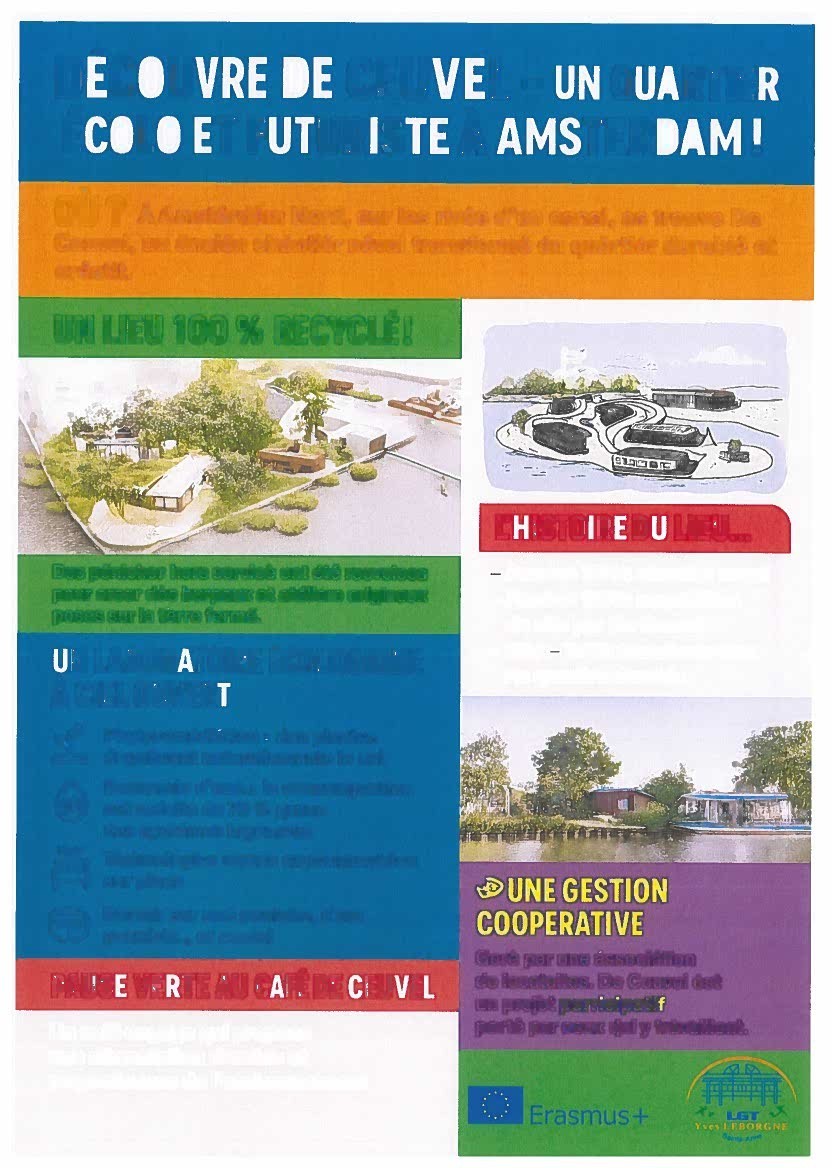
The STI2D final-year class studied Amsterdam’s energy autonomy: eco-futuristic De Ceuvel district, Schoonschip floating houses, “The EDGE” building, photovoltaic plant: before asking: can these concepts be applied in Guadeloupe?
The project
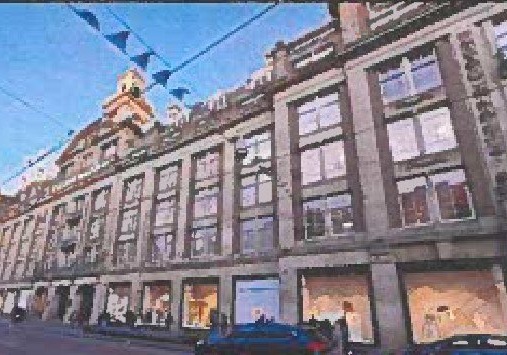
Educational visits in English: new renewable-energy building, boat excursion on the canals to the “smart” building The EDGE, NEMO science museum, De Ceuvel district created on a former polluted shipyard, Schoonschip floating district, folk-art museum in a former boat hangar.
Four mornings immersed in the counterparts’ classes (English, maths, science, French, computer science) and bilingual student presentations: energy-autonomy project, Lycée Yves Leborgne, town of Sainte-Anne, island of Guadeloupe; exchange of gifts, culinary specialities and zouk music.
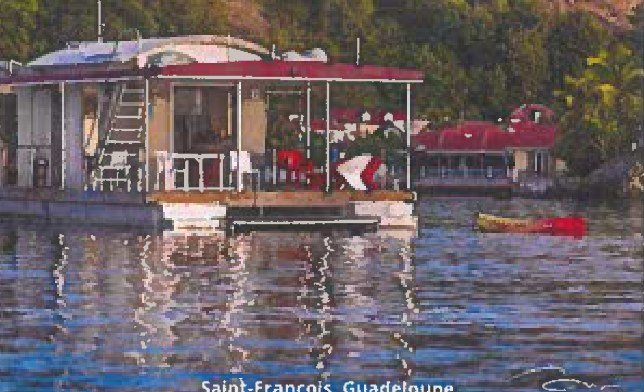
The France / Guadeloupe / Netherlands energy comparison produced by the students links the EDF solar plant of Saint-François (21,168 solar panels) with emission-reduction targets: Guadeloupe and Amsterdam share the same transition course.
The preparation was done by video conference with the French teacher of the Metis Montessori high school and through a padlet of student presentations. The STI2D final-year group, supervised by Fabienne Angele, studied upstream the self-sufficient neighbourhoods of Amsterdam; two individual mobilities, followed by Valérie Rubrice and Jean Prudent, extended the project.
On site
- Study of the self-sufficient floating houses of the Schoonschip neighbourhood
- Analysis of the De Ceuvel district carried out by the STI2D students
- Group accommodation at the Generator Hostel, in a working-class neighbourhood of Amsterdam
Highlights
- De Ceuvel and Schoonschip districts, open-air ecological laboratories
- Bilingual student presentations in Dutch classes
- France-Guadeloupe-Netherlands energy comparison produced by the class
Crossed perspectives
On site, the students measured what real energy self-sufficiency requires of collective organisation: shared production, cooperative management of places and sobriety designed at neighbourhood scale.
Results and follow-up
Post-baccalauréat orientation strengthened towards sustainable-development careers, discovery of low-carbon urban transport, and the prospect of a similar project with Ireland.
In pictures