Investigative journalism in Denmark
The Club Europe investigates in a Danish efterskole
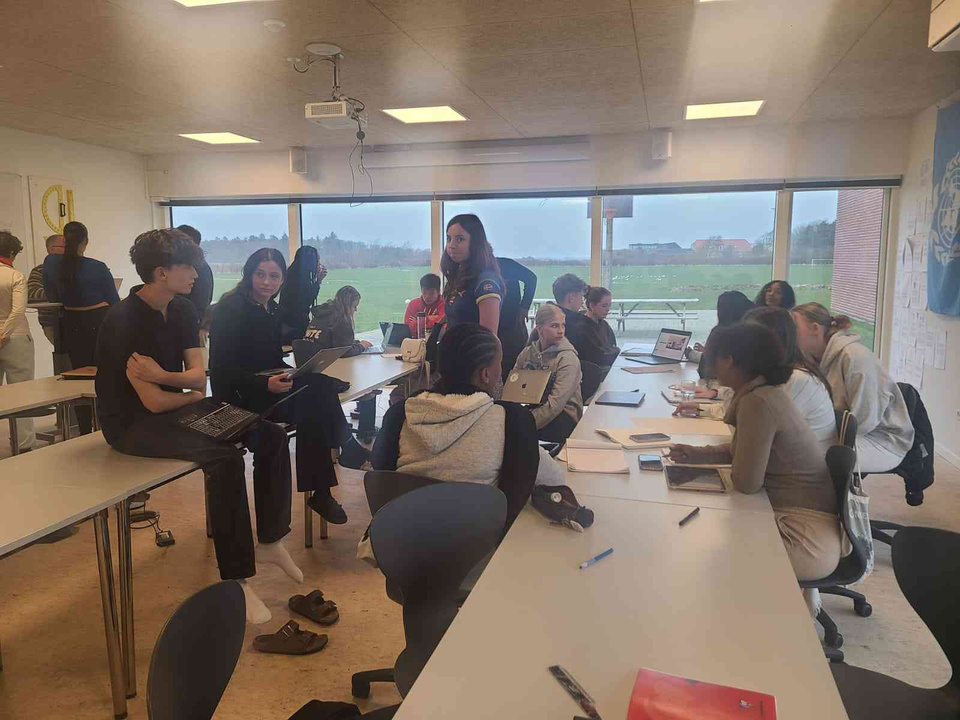
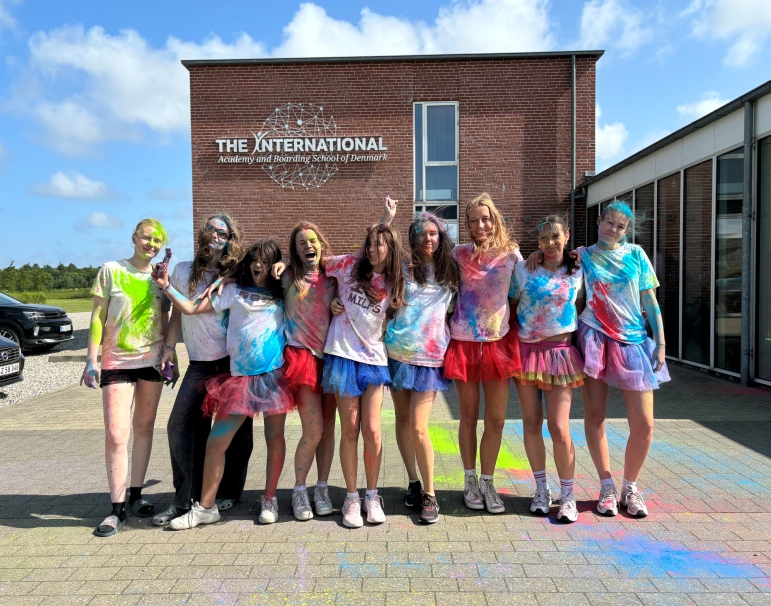
Fifteen Club Europe students joined Campus Vedersø, deep in the Danish countryside, for a French-Danish collaborative journal. The immersion in an efterskole, Denmark’s unique “school for life”, left a lasting impression on the teams.
The project
Efterskoler welcome around 20% of Danish teenagers: 245 schools, close to 28,000 students. At Vedersø, students take part in shared chores, English is the everyday language and well-being sits at the heart of the school organisation.
The group produced a collaborative journal between students from Guadeloupe and Danish students, with a welcome stopover in Copenhagen, and observed innovative practices: “refreshments” gathering the whole school, an “assembly” around a shared song, psycho-social skills integrated into teaching, participatory cleaning, biographies of notable figures on every classroom door.
Two individual staff mobilities completed the stay: observation of mathematics-physics classes taught in English, tumbling initiation, visit of a wind farm and reflection on Danish sustainable development.
The 2023-2024 collaborative journal of the Club Europe, co-written with Campus Vedersø, runs to twenty pages: crossed portraits of Yves Leborgne and The International efterskole, photo reports on global warming (erosion of the Raisins Clairs beach, return of wolves in Jutland), interviews on the health emergency and on Danish water quality, vox pops on the vision of women and a press file on school failure.
The Club Europe built its collaborative journal remotely: French-Danish editorial meetings by video conference, allocation of investigation topics and shared layouts before joining the Vedersø campus.
On site
- Investigation among students and staff of the Vedersø campus
- Writing and layout workshops for the French-Danish journal
- Immersion in the efterskole model: assembly, shared refreshments, participatory cleaning
- Discovery of the outdoor classrooms used to teach outside
- Extra-curricular activities: sport, music, games
Highlights
- French-Danish collaborative journal published by the Club Europe
- Comparison of the French and Danish education systems written by staff
- Cultural stopover in Copenhagen and discovery of Jutland
In detail
- Eleven days in total including six days of travel and five days with the Danish peers; a “salutary” stopover in Copenhagen that the team recommends extending.
- Three accommodation formats tested: a room of three with a peer and a teacher’s house, a service house for the girls, a dormitory for the female staff; real immersion for the boy, community living for the girls.
- Budget: 15 euros per meal deemed insufficient, and a bank card recommended over cash, impractical for metro tickets.
- Communication: an Instagram referent among the students, a Néo referent among the teachers and a project WhatsApp group open to students who did not travel, for greater responsiveness.
- The efterskole in figures: around 20% of Danish teenagers, 245 schools, close to 28,000 students; reserved for 14 to 17 year-olds; founded in 1851 by Kristen Kold, heir to N. F. S. Grundtvig’s ideas.
- The International in Vedersø: more than 80 young people from all over the world, Cambridge IGCSE curriculum and elective courses (tumbling, dance, football, badminton, e-sport); English as common language, between open nature and the North Sea.
- Individual staff mobilities: mathematics and physics classes in English, tumbling initiation, visit of a wind farm and the regret of not having met Vestas, the historic wind turbine manufacturer.
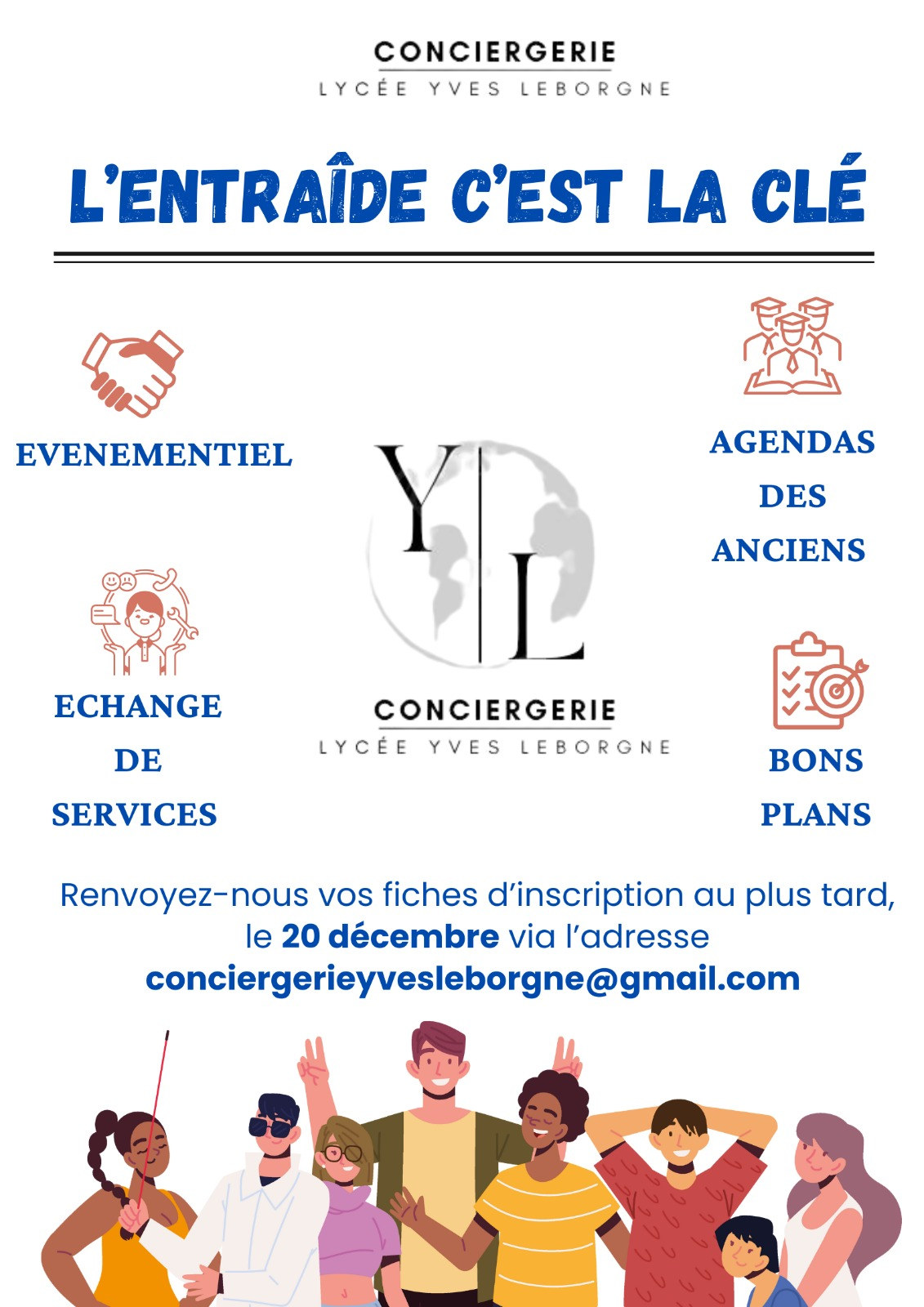
- Direct follow-ups: a concierge-service project with the STMG stream, the student representatives and the “business” teaching, and the hosting of Danish students in Guadeloupe.
Crossed perspectives
The teams were struck by the wellbeing placed at the heart of the Danish school: days punctuated by refreshments bringing everyone together, the assembly moment around a shared song, psychosocial skills integrated into teaching, teachers living right next to the school and students gaining autonomy.
Results and follow-up
Progress in spoken English, learning to live as a community, a concierge-service project inspired by Danish shared chores, and the prospect of hosting Danish students in Guadeloupe.
In pictures